The AI agent map: what each one can do without asking you
I measured nine AI agents as they come installed. The Observatory map shows how much each one can do without asking you, and why.

I measured nine AI agents as they come installed. The Observatory map shows how much each one can do without asking you, and why.

RosmarOps now scores nine AI agents, looks for your projects across your whole folder, only interrupts you when something changes, and tells you inside Claude Code. Here’s what you get with 0.11.6, and what it still doesn’t do.
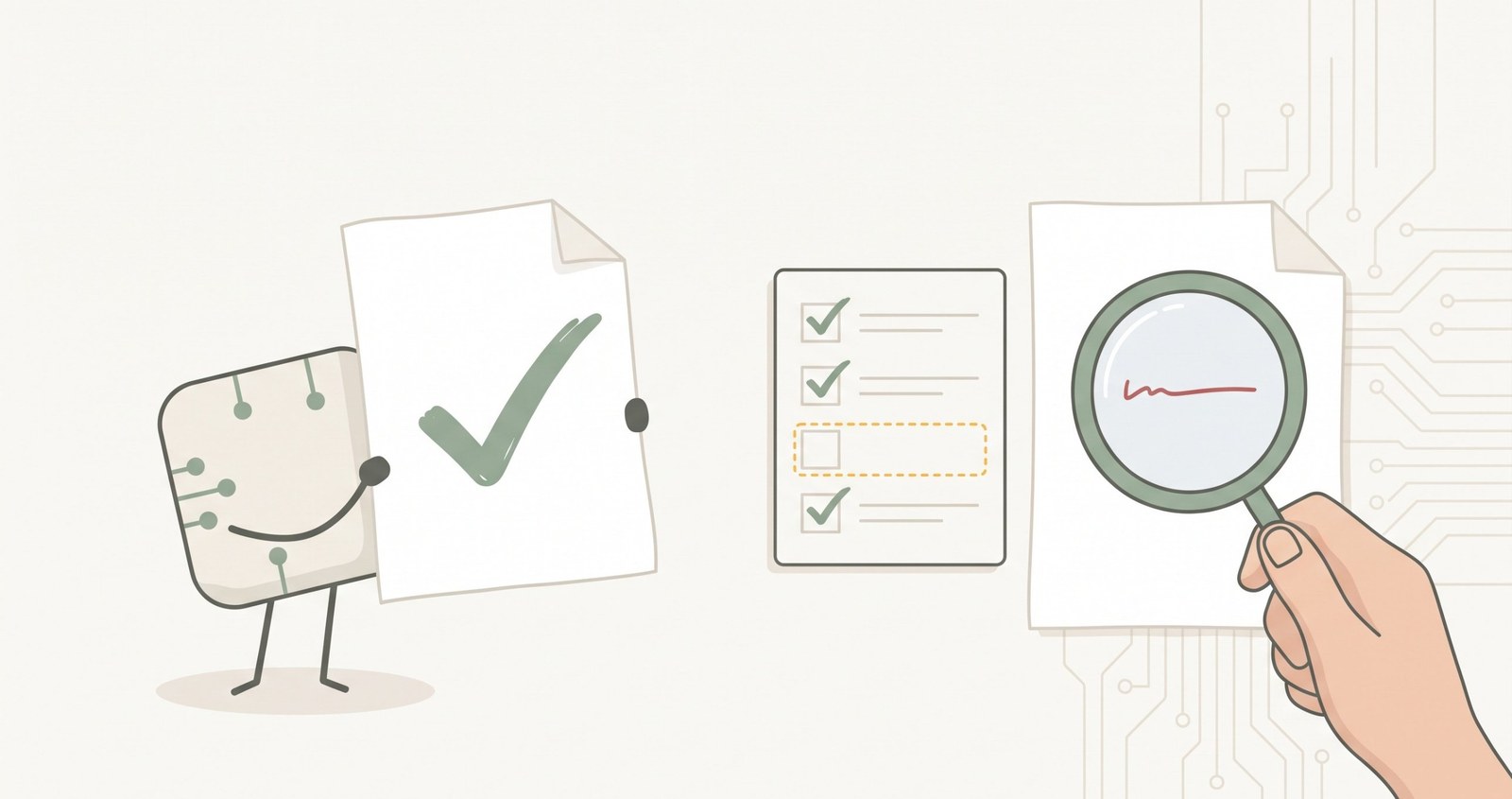
An AI agent tells you it’s done. How do you know it’s true? What I’ve learned building UXMachine, and a few questions to check your agent’s work even if you’re not a programmer.
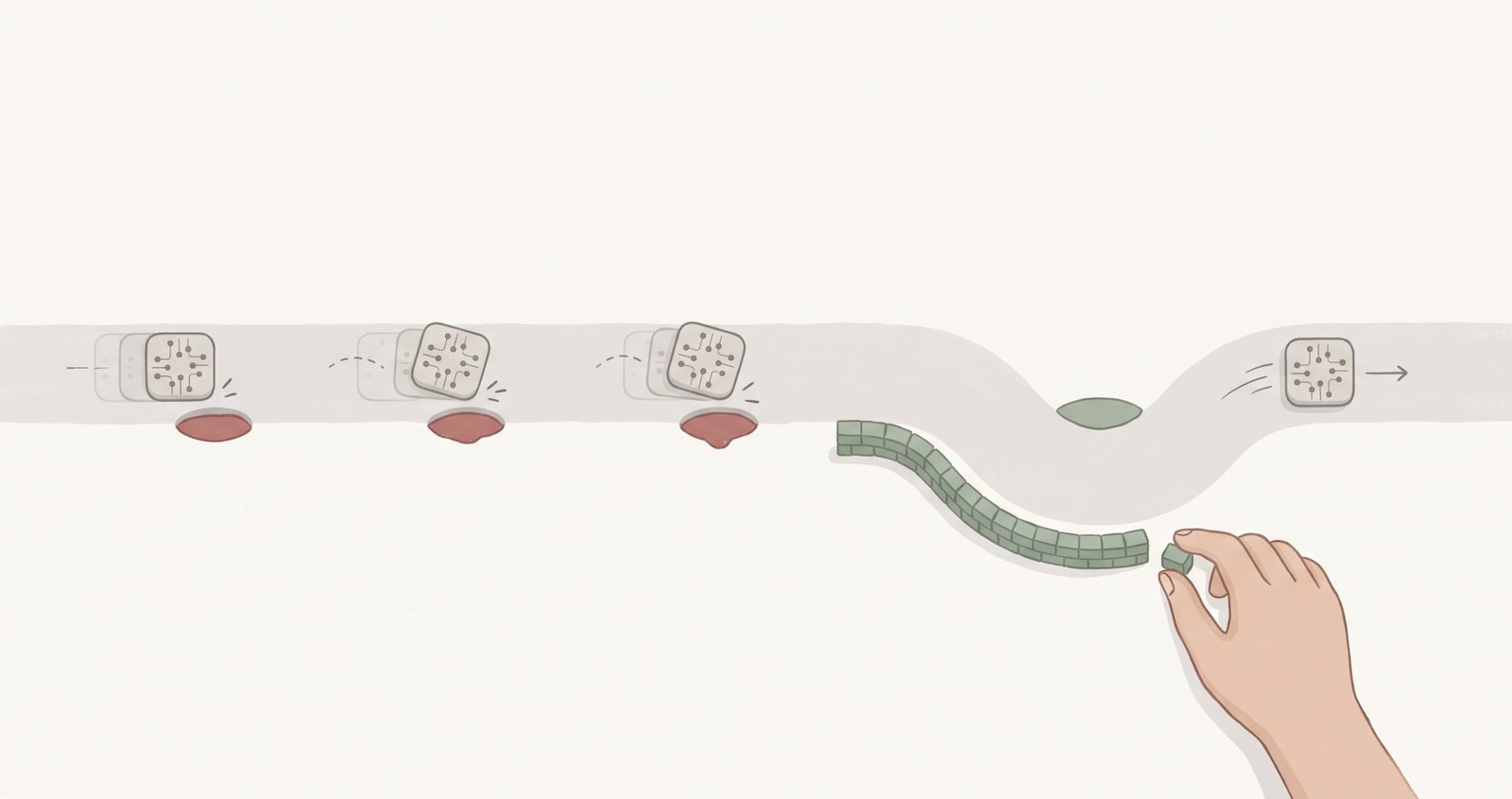
Your agent doesn’t remember it got something wrong yesterday. If you want it not to happen again, what has to change is the system it works in. How to turn a repeated mistake into a change that stays, and why writing it in a file isn’t always enough.
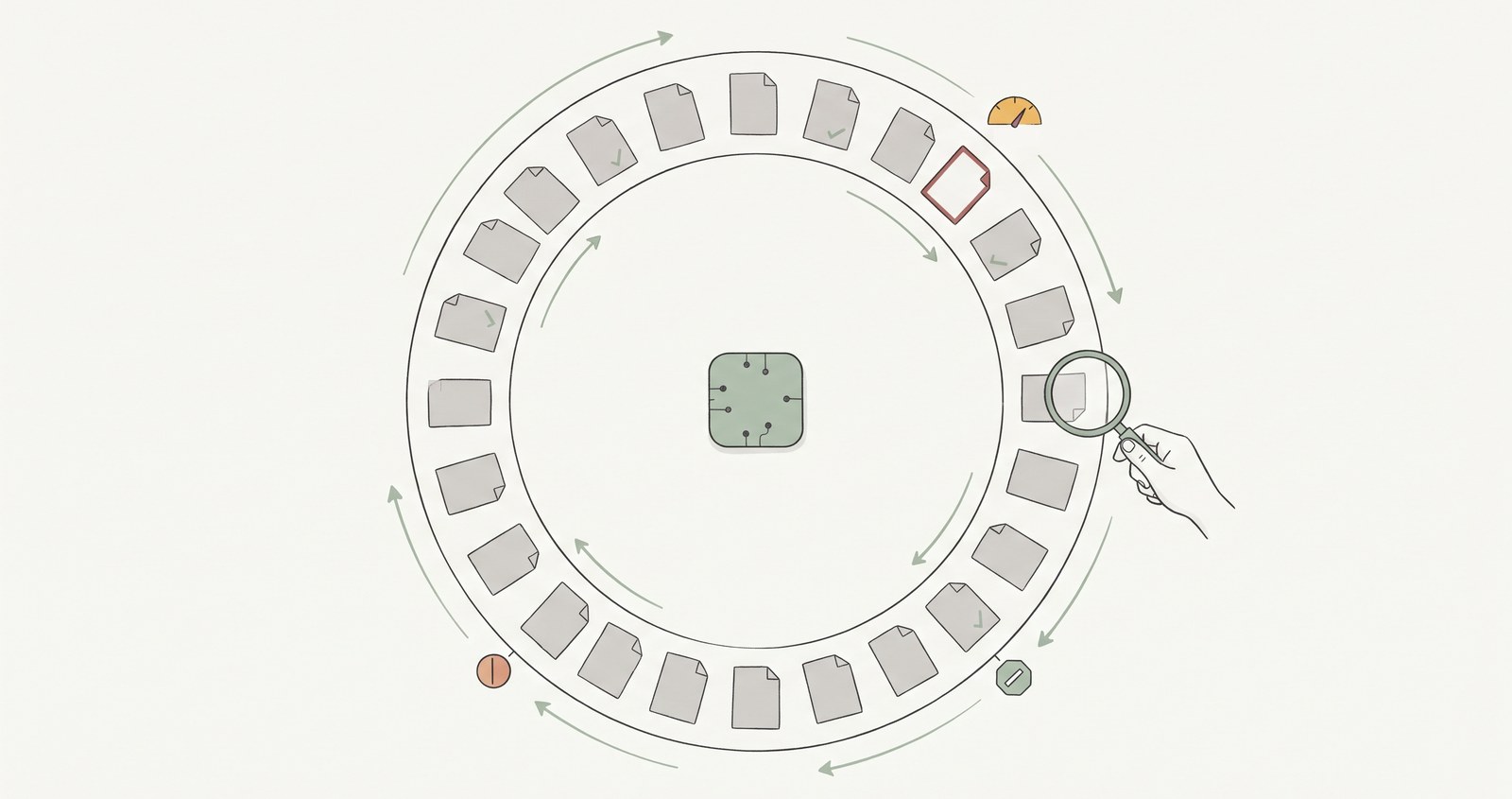
A study examined 36,487 software repositories and confirmed autonomous AI agent loops in 217. More interesting than the percentage is what we know —and what we still don’t— about the controls and results of those systems.
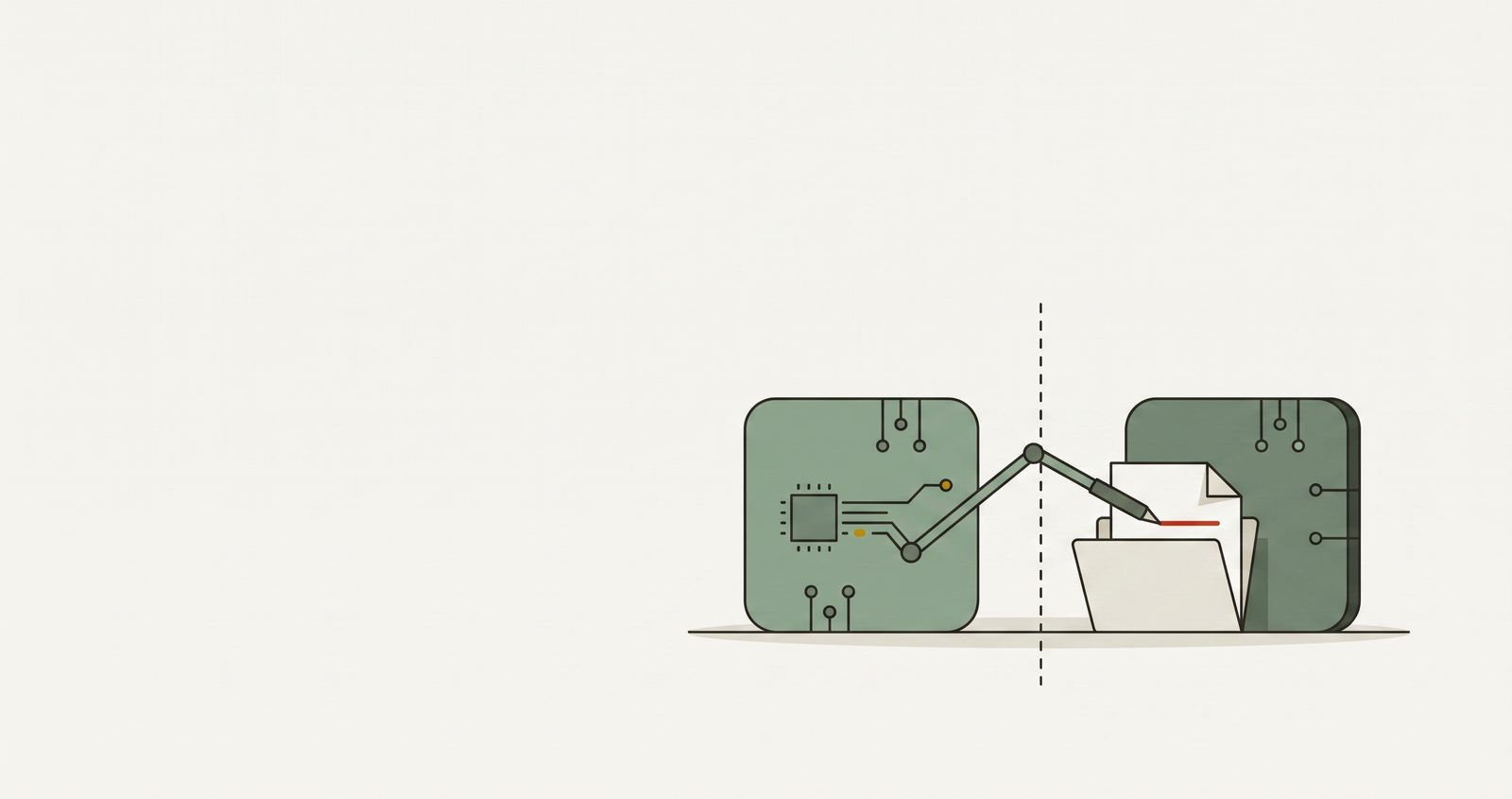
Yes, if it is allowed to write where the other agent keeps its settings or instructions.
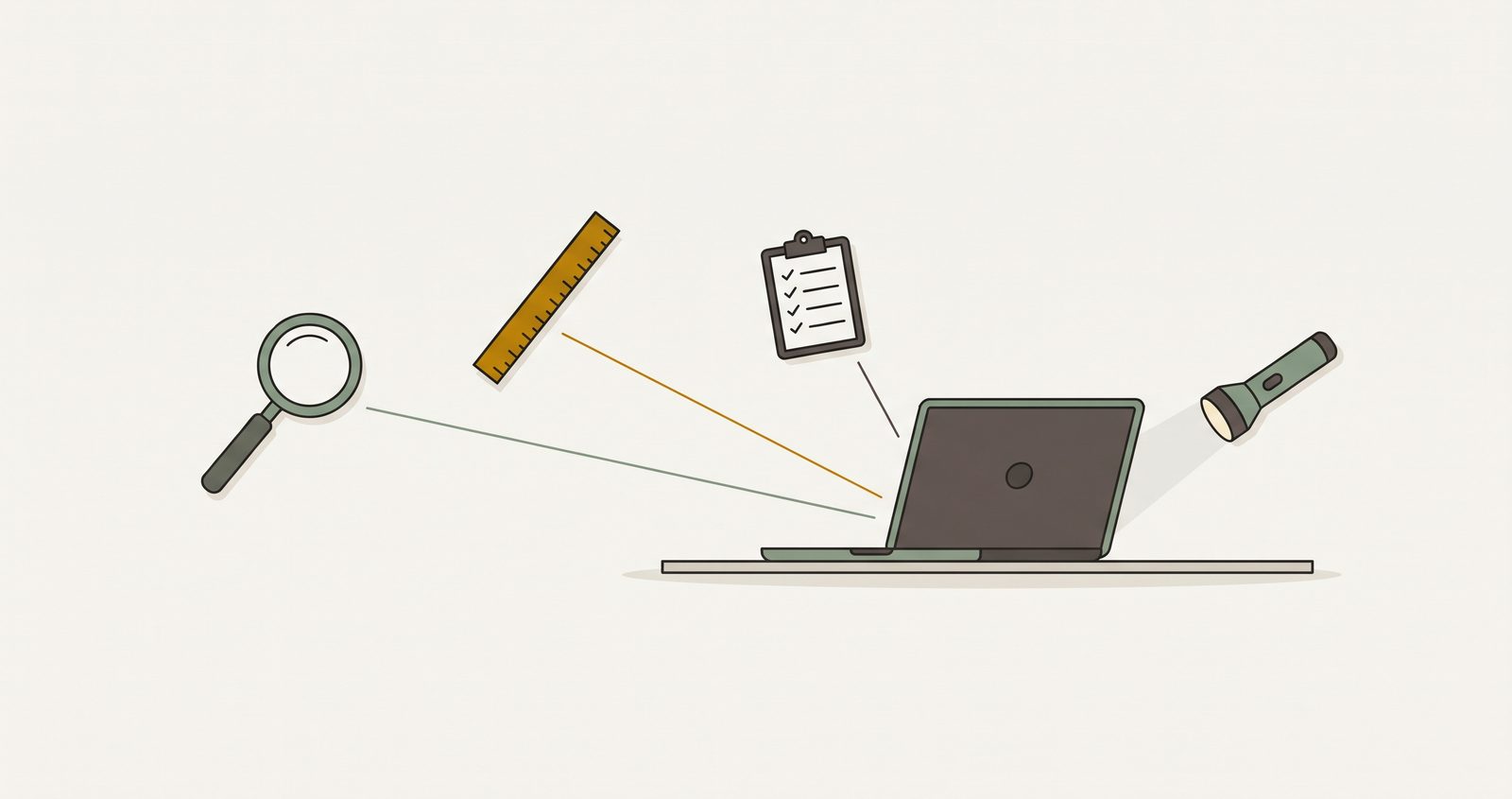
Four open-source tools check the setup of AI coding agents on a developer’s machine.

It depends on where the agent keeps its settings and on the mode it starts in.
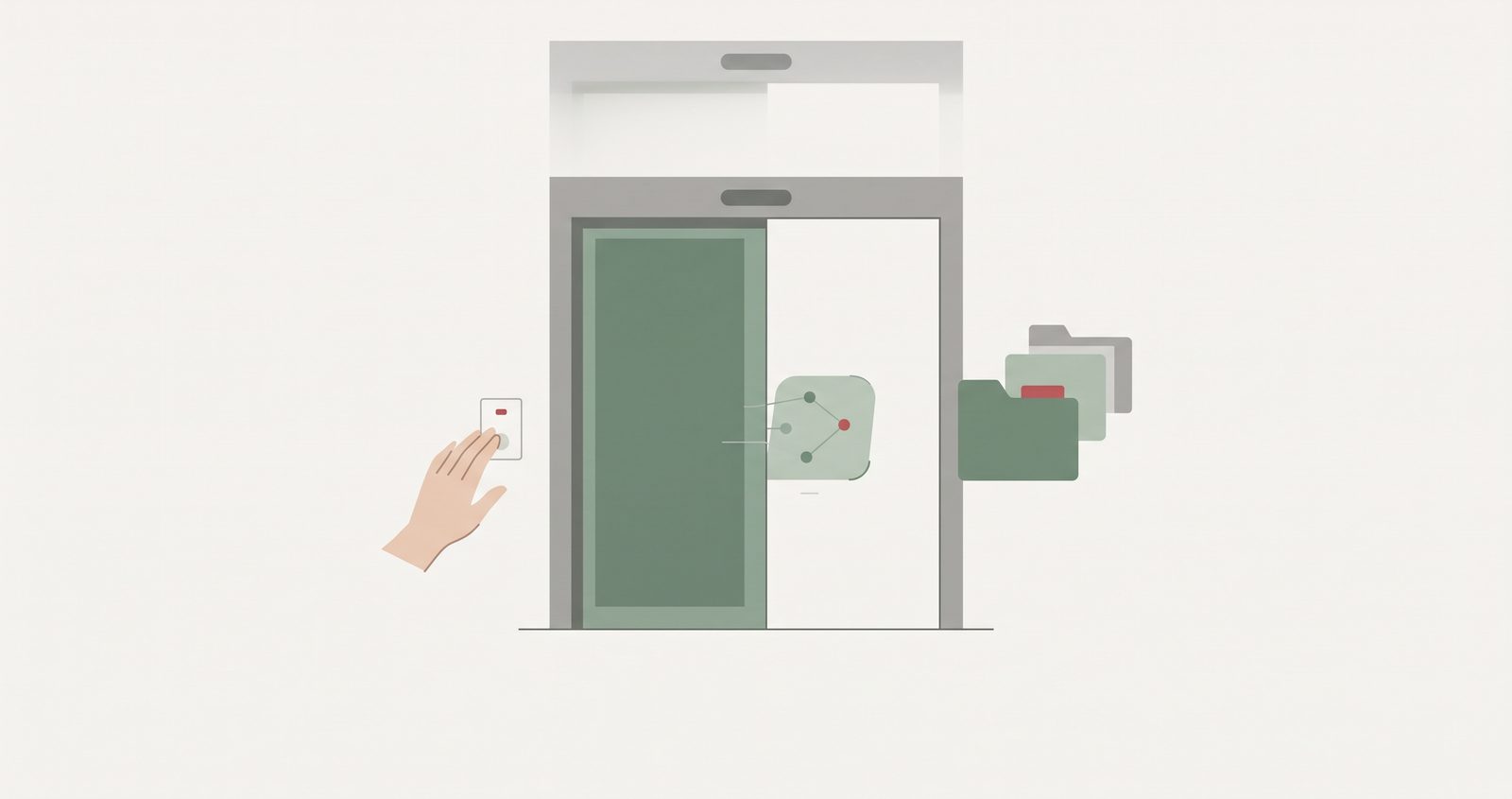
Auto mode is where recent versions of Claude Code start. What it approves on its own, what still asks, and the settings that narrow it, from the official docs.

More tools now install by telling your agent to do it. What they leave behind is instructions and code your agents will follow. An example, file by file.