
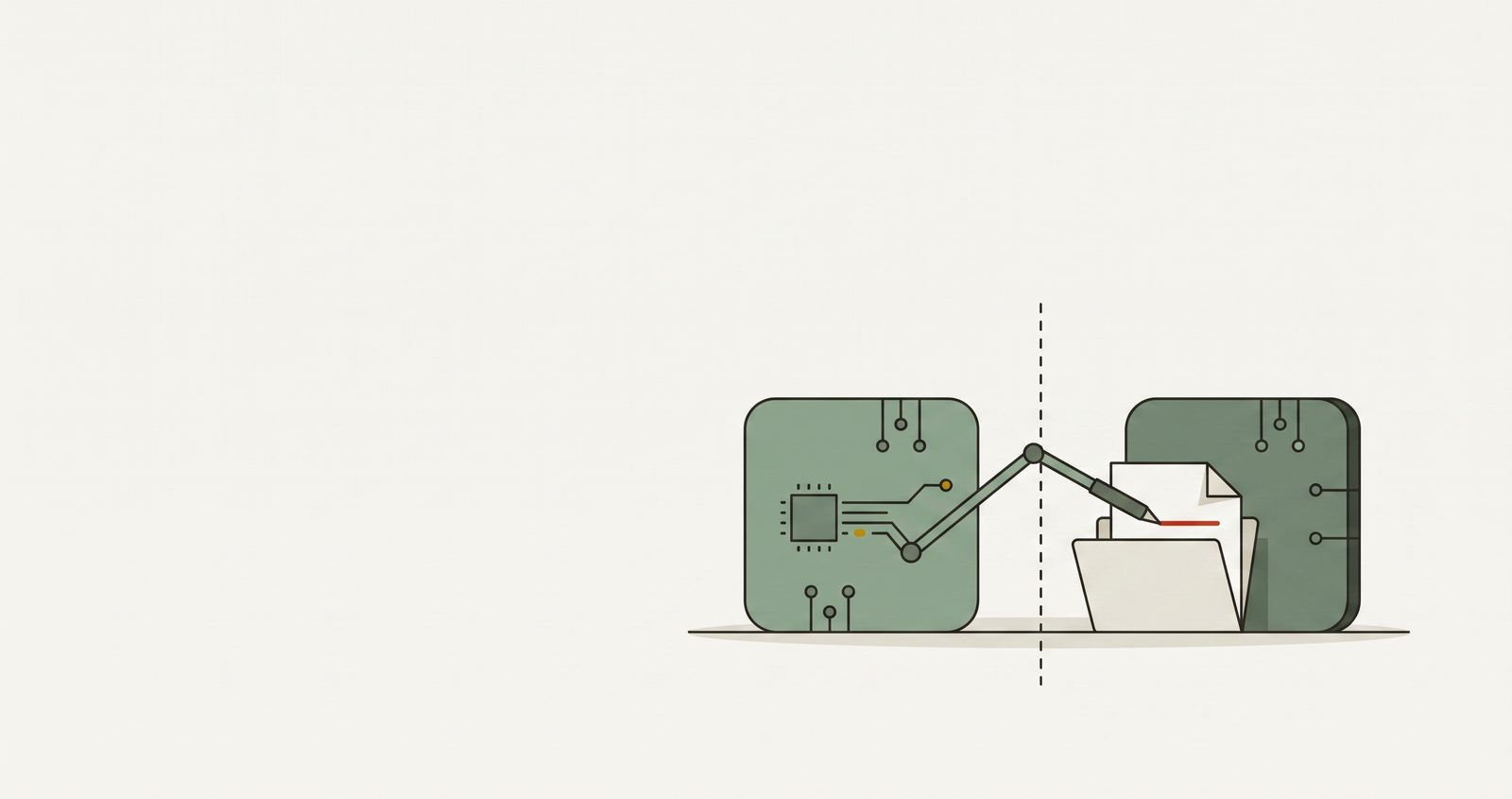
Yes, if it is allowed to write where the other agent keeps its settings or instructions. Claude Code and Cursor keep them in plain files in your user folder and in each project; Hermes Agent keeps them in its own folder under %LOCALAPPDATA%.
Where they are
Claude Code: %USERPROFILE%\.claude\, %USERPROFILE%\.claude.json, <project>\.claude\, <project>\.mcp.json and CLAUDE.md files. Cursor: %USERPROFILE%\.cursor\ and <project>\.cursor\. Hermes Agent: %LOCALAPPDATA%\hermes\.
Who asks before writing, according to each vendor
- Claude Code asks before editing any file, and asks for protected paths even in modes that otherwise allow edits. In its starting auto mode, another AI model answers what would otherwise be asked.
- Cursor writes in the folders it works in without asking, except configuration files, and its sandbox denies protected paths. In the auto-review mode its documentation recommends, another AI model decides the rest.
- Hermes Agent writes any path without asking, except system paths, SSH keys, its own config.yaml and common credential files. It asks before writing instruction files such as AGENTS.md, CLAUDE.md, SOUL.md and .cursorrules in any folder, even with –yolo. When it refreshes a Claude Code login it borrowed, it writes Claude Code’s credential file.
Why it matters
Project settings and instructions live inside the project folder. An agent that is allowed to write there can change what another agent reads the next time it opens that project.
Every fact above has its date and source on each agent’s Observatory page.
RosmarOps shows which agents on your computer can rewrite another agent’s configuration or instructions.