What wasn’t read doesn’t count as clean
Why RosmarOps refuses to give a score when it couldn’t read something, and why hiding what it reads doesn’t improve it.

Why RosmarOps refuses to give a score when it couldn’t read something, and why hiding what it reads doesn’t improve it.

Four open-source tools check the setup of AI coding agents on a developer’s machine.
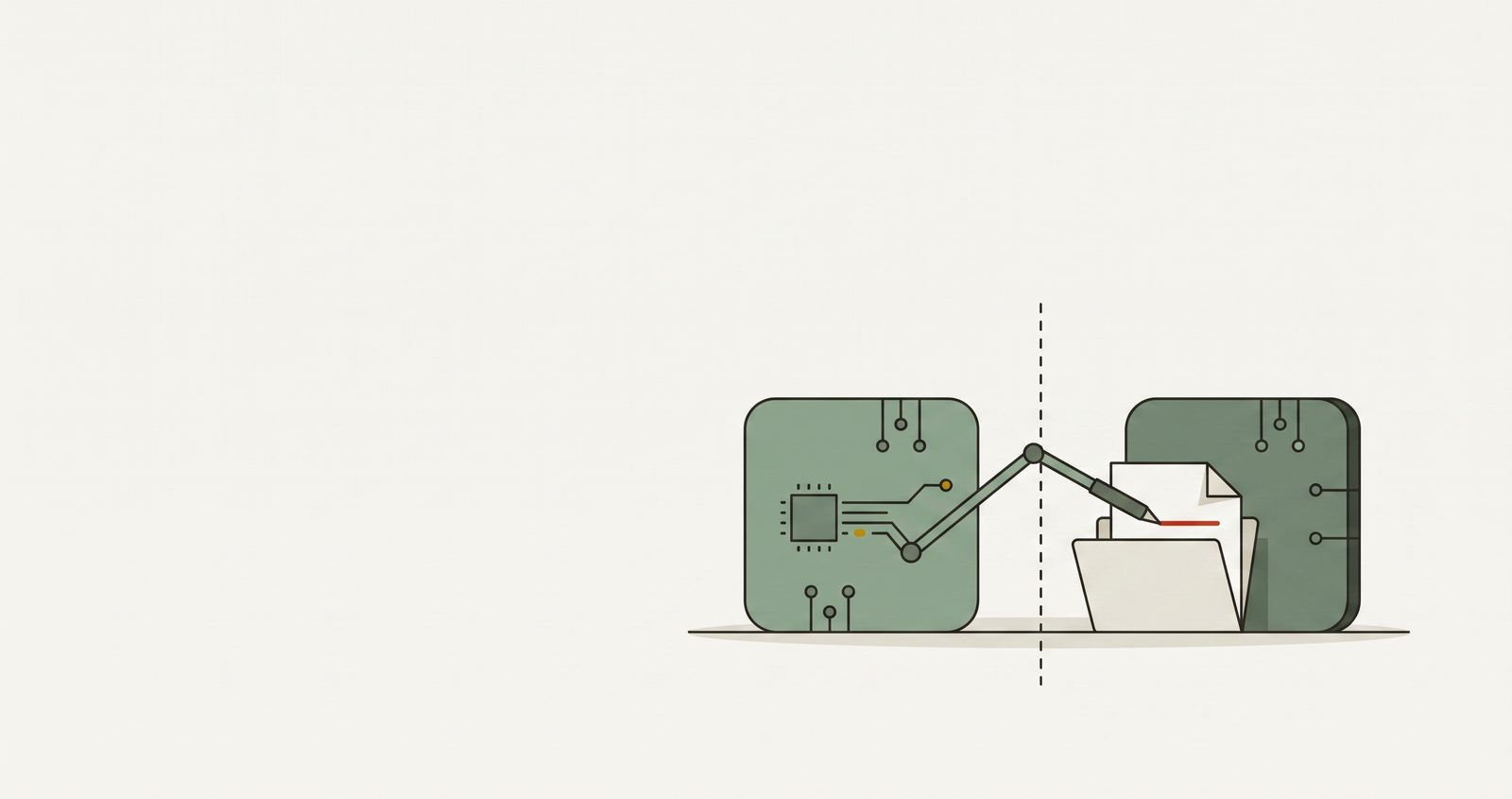
Yes, if it is allowed to write where the other agent keeps its settings or instructions.

It depends on where the agent keeps its settings and on the mode it starts in.

Auto mode is where recent versions of Claude Code start. What it approves on its own, what still asks, and the settings that narrow it, from the official docs.
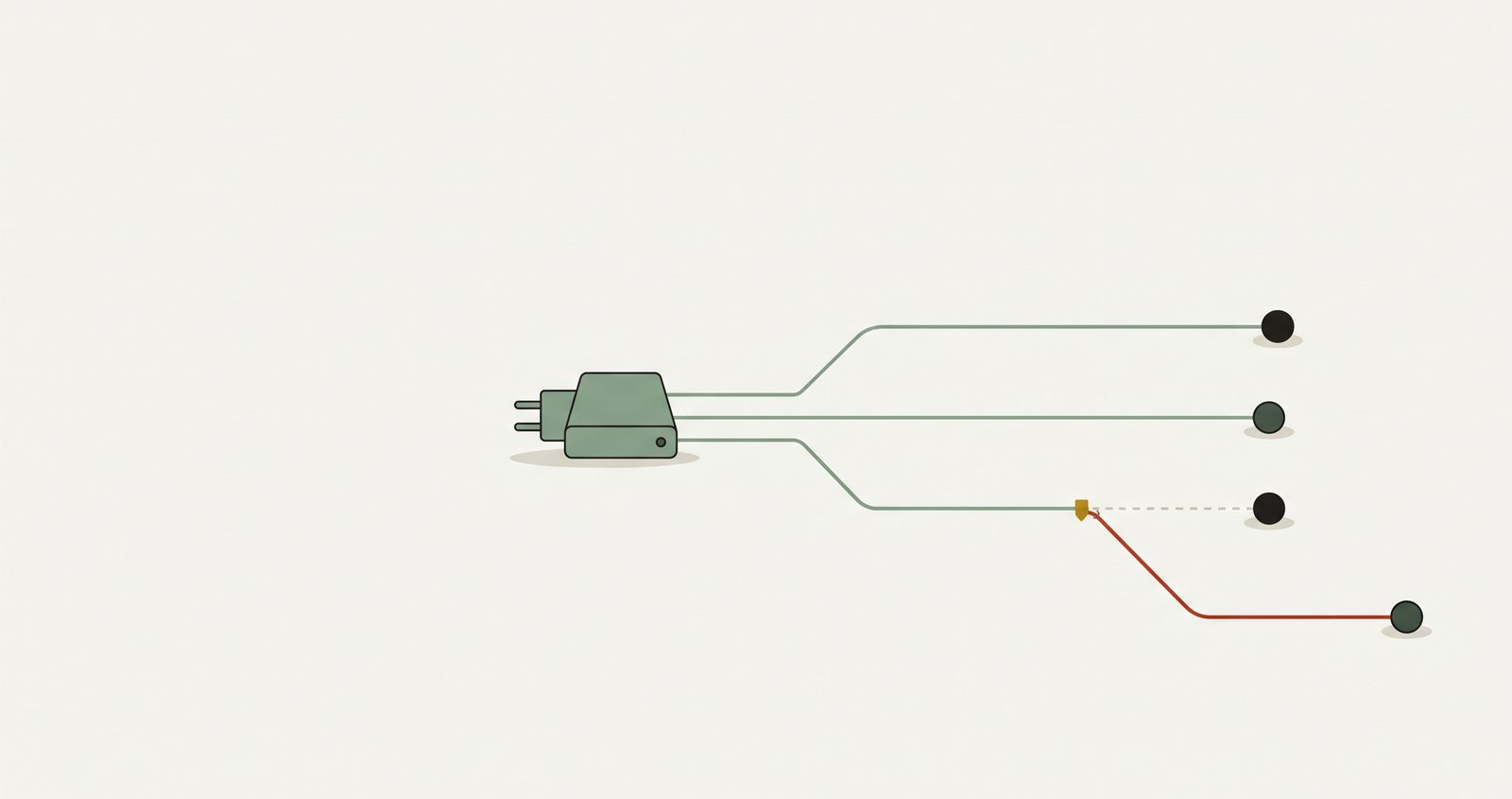
RosmarOps 0.4.0 records where each MCP server sends data and warns when a server starts pointing somewhere else. Still no networking code.

More tools now install by telling your agent to do it. What they leave behind is instructions and code your agents will follow. An example, file by file.
RosmarOps 0.3.0 detects four more AI agents, shows which of your agents can read the keys they keep, and is harder to fool. Still no networking code.

RosmarOps is out for Windows: a local, read-only map of what Claude Code and Cursor can reach on your machine. No networking code, no telemetry.

How RosmarOps turns what each AI agent can reach into a score out of 100: bands tied to the traffic light, public weights, and a versioned formula.
Videos · Privacy · Legal notice · Terms · Cookie settings